In 2020, global lockdowns challenged the on-site model. Working from home has since then been the new trend and has
become a norm for many workers. But time has gone by, and since 2022, companies have requested more in-person presence
again.
So, what can we learn from the return to office statistics, and expect for 2024 in particular? What causes the vast
majority of firms to require their workforce back in the office? How can you implement an RTO mandate without impacting
employee satisfaction.
This article clearly explains what is at stake between employers and employees based on the latest numbers. You will also
learn how working habits are evolving, including the crucial need for some organizations to create a more flexible and
agile environment to adapt to workers’ aspirations. The Great Return is happening, but maybe not as businesses expected
it. Let’s dig more into this hot topic to see how you can navigate this period while keeping your staff happy and satisfied.

Group of Women Working in the Office
Staff don’t really fancy being forced to come back to a five-day model. Only about 3% of people wish to be full-time at the
office, and 86% of employees want to work from home at least twice a week (or a third workplace).
As a company, you must adapt and let them have freedom of choice. Otherwise, you might see your best talent leave. The more
rigid you are, the more likely you are to lose your employees or their valuable input if they start to quiet quit. They must
be loyal to their team, and one way to ensure this is by offering flexible work arrangements. According to a new report by
research firm, “Future of Work”, more than half (54%) of employees worldwide believe that their job is not what they expected
when they started.
Although a new trend, the Big Stay, is emerging, people still expect flexibility at work. If you want to benefit from this
trend, you must adapt to their expectations. Remember, for today’s workforce, especially Millennials and Gen Z, advantages
don’t necessarily come in the form of b higher salaries. People tend to remain by your side if they can have some flexibility
in their working schedule.
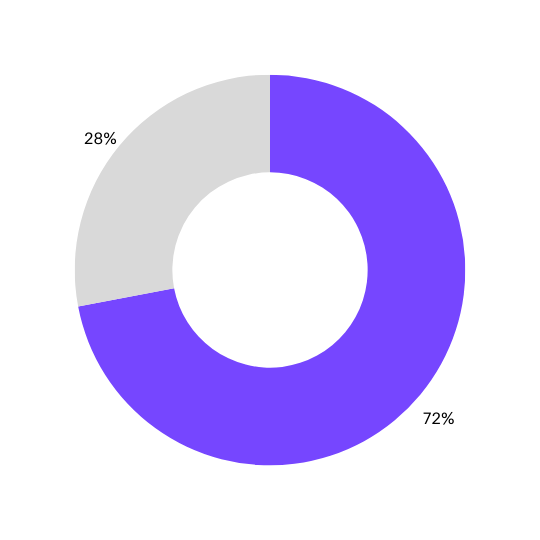
RTO mandates increase revenue
There is also a financial reason why you might want your staff on-site more often. In a survey led by Resume Builder, 72% of the
companies have noticed increased revenue when a return-to-office policy has been set. This doesn’t mean staff necessarily have to
be present daily, though. 38% of workers want full autonomy over their schedule2. For instance, employees can come back on-site,
two or three days per week, for in-person meetings with clients. According to a poll by JLL, “Workers continue to find value in
the physical office as a hub for socialization, innovation, and professional growth.”
Working face-to-face allows team members to be more effective when collaborating. Ideas might pop up faster, leading to innovative
solutions. All of these benefits of being on-site create new business opportunities, thus improving revenue. This is one of the main
reasons why 51% of employers want to set a return-to-office policy in 2024.

 VENKY
VENKY