The Wolf of Wall Street. When thinking about the corporate real estate crisis, you might also have those images of crowded office
buildings in New York, full of employees working hard on their computers. Well, those times are gone.
Companies are currently facing a major consequence of our new vision of work: an increase in unused office spaces. CRE professionals
struggle to sign contracts, and employers have difficulties filling their workspaces. To embrace this transition, understanding the
rules of the new ways of working, adapting the office layout, and shifting priorities is crucial. Do you belong to one of the numerous
organizations that have empty office buildings half of the time? Are you wondering if you should just offer remote work options and
close down your office space? Don’t! We will explain why keeping physical workspaces is important and what to do with the extra room.
When you think about it, the decrease in your office occupancy is proof of your willingness to embrace a modern approach to work and
the “work from anywhere” concept. Instead of considering it a liability, it’s time to see it as an opportunity!

Unused office Space What to know before Deciding on any Change
Before deciding on anything, you need to understand how your office building is used. For example, let’s say you provide parking slots to your staff.
Check if they actually use them or if they come to the office by public transport, bike, or foot. If you’ve created an agile workspace with a variety
of workspaces (which is great, by the way!), are they using a certain type of space more than the others? This will enable you to assess your employees’
needs, the best practices you have to employ, and the aspects you can improve. The deskbird office analytics feature helps you get all this information.
Are we talking about a quarter, half, or three-quarters of your office building that is unused? You might have the feeling your office is half empty,
but it’s actually a lot more square meters than that. Here again, checking workplace analytics is key to having a real idea of how much space we are
talking about. Knowing the exact number of square meters that are currently unused is essential to deciding what your best options are to optimize
this extra room.
Having a decrease in workplace occupancy is normal when introducing flexible work arrangements. Yet, wanting to see your staff on-site more often when
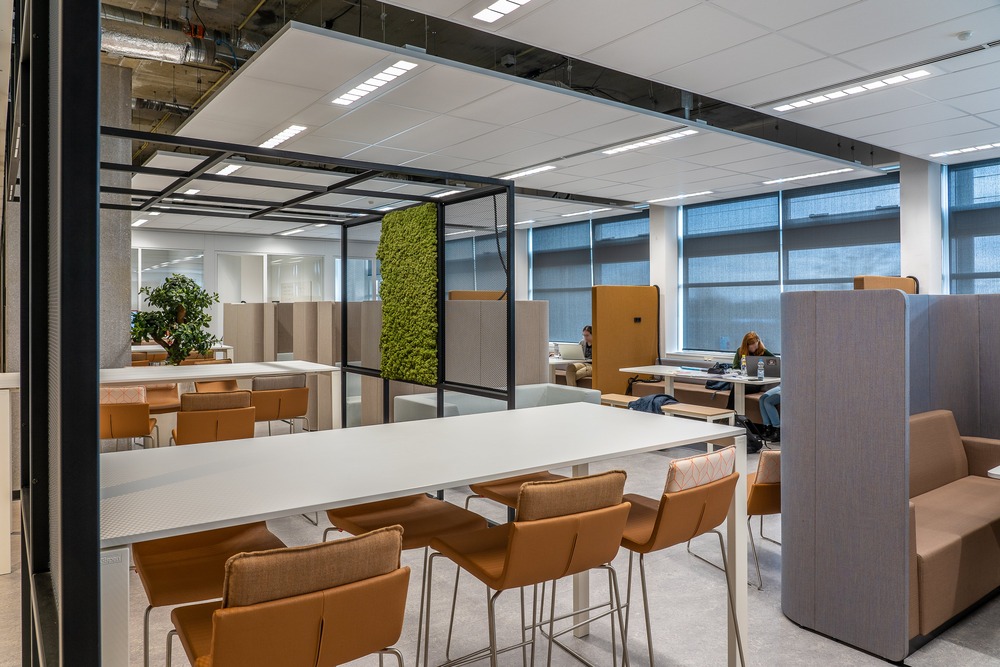
you’re paying for an office space is also normal. So, what can you do? First, redesign the office layout and make it more agile so people enjoy coming
on-site and are as satisfied with the corporate work environment as at home. Remote work boosts work-life balance and productivity. Make sure to build
a workspace that provides your team members with everything they need, enhances employee well-being, and makes them thrive.
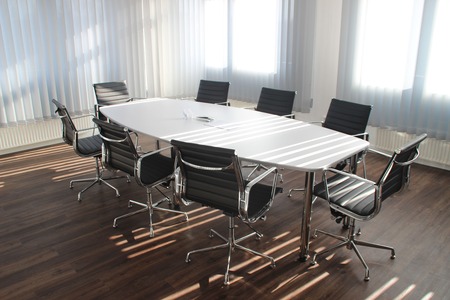
Office Space Utilization
Employee centricity is the future of work and the core element that differentiates attractive and successful companies from others. For this reason, the
idea of repurposing these empty spaces to improve your employee experience is a great solution to boost this aspect. We hope this article helps you get
better value out of your unused office space and gives you some ideas on how to turn this liability into an asset for your business. Whether you decide
to transform this extra space to create new people-centric areas for your staff or to use it as a new source of income, the end result can only be positive.
If you’ve already done everything mentioned above, there is one last solution to turn this loss of space into something positive. You can transform what
seems to be a liability into a real estate asset. For example, you can set up a hot desking system for your empty workspaces and make those unused desks
and meeting rooms available for other companies. You can also rearrange your office to free up a full floor or an area big enough so that you can sublease
it to external businesses (in agreement with the owner of the building). Small startups are looking for cheap renting opportunities, so it’s a win-win for
all!
 VENKY
VENKY